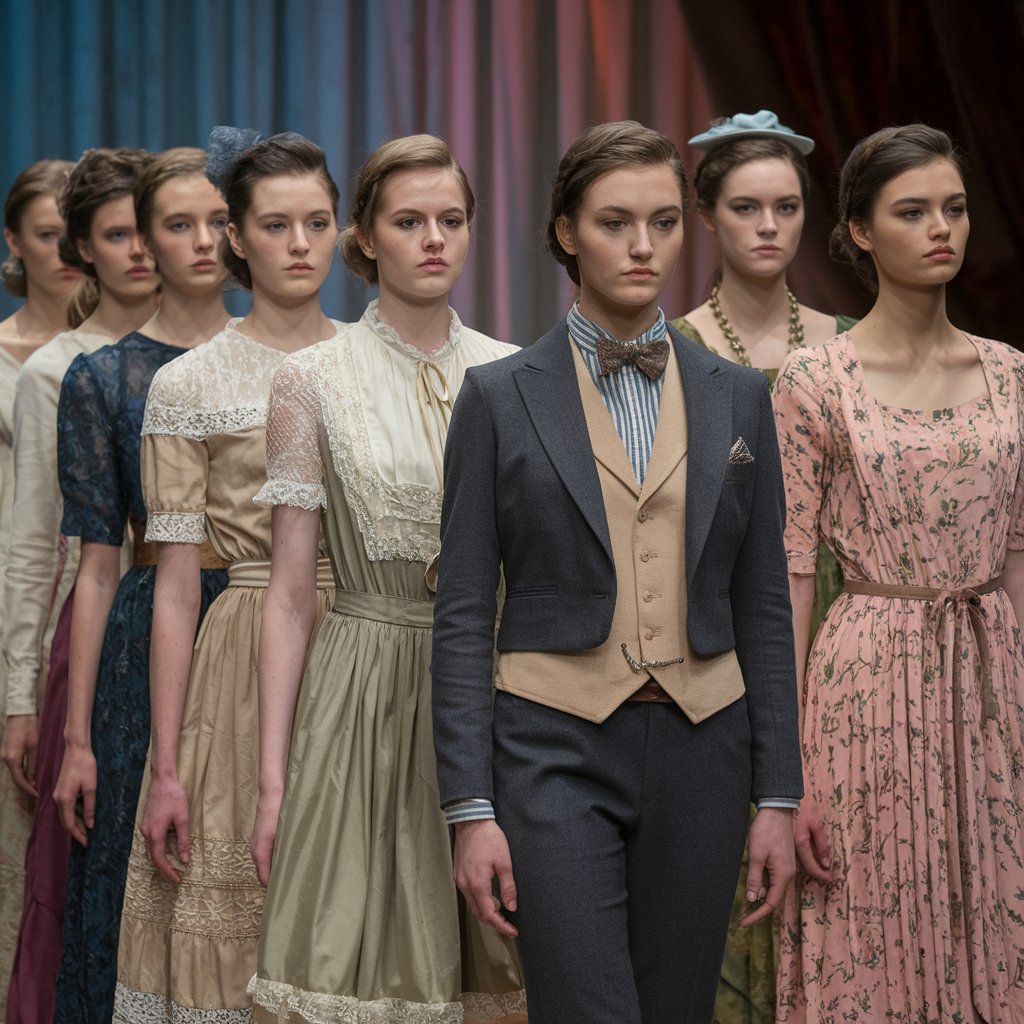
Antique marbling, a technique that dates back centuries, has found its way into contemporary fashion, captivating designers and enthusiasts alike. This intricate art form, which involves creating unique, swirling patterns on paper or fabric, not only adds visual interest but also evokes a sense of history and craftsmanship.
A Brief History of Marbling
The origins of marbling can be traced back to the 12th century in the Middle East, with techniques further developed in Japan and later in Europe. Initially used to decorate manuscripts and book covers, marbling transformed into a popular art form. Its vibrant colors and organic patterns made it an appealing choice for various decorative arts.
In the 18th century, marbling techniques spread throughout Europe, particularly in Italy and France, where artisans began to apply these methods to textiles. The practice became synonymous with luxury and sophistication, often featured in clothing and accessories for the elite.
Marbling in Contemporary Fashion
Today, antique marbling is experiencing a resurgence in the fashion industry. Designers are increasingly incorporating this timeless technique into their collections, using it to create unique fabrics and accessories. Here are a few ways antique marbling is influencing modern fashion:
1. Unique Textiles
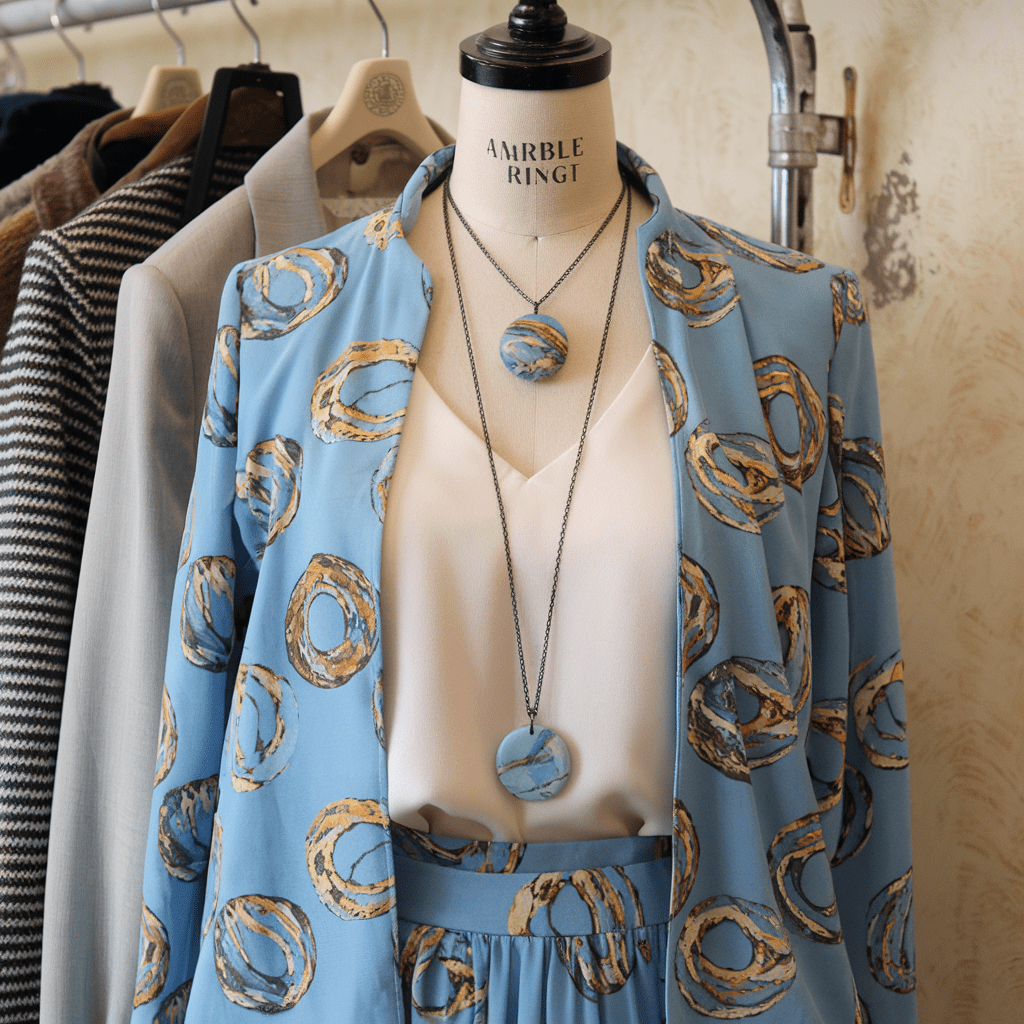
Fashion designers are gravitating towards marbled fabrics for their distinctive aesthetic. Each piece is one-of-a-kind, allowing designers to offer something truly exclusive. From flowing dresses to tailored jackets, marbled textiles provide a canvas for creativity, enabling designers to experiment with color and form.
2. Accessories
Antique marbling lends itself beautifully to accessories. Scarves, bags, and shoes adorned with marbled patterns can elevate any outfit. These pieces often serve as statement items, drawing attention and sparking conversation. The use of marbling in accessories also allows for a more subtle incorporation of this art form, appealing to a broader audience.
3. Sustainability
As the fashion industry increasingly shifts towards sustainable practices, antique marbling aligns well with eco-conscious initiatives. Many designers are sourcing vintage fabrics or using natural dyes to create marbled patterns, thereby reducing waste and promoting a circular economy. This approach not only preserves traditional techniques but also champions environmental responsibility.
The Appeal of Antique Aesthetics
The charm of antique marbling lies in its rich history and the artistry behind it. Each swirl and pattern tells a story, connecting the wearer to a bygone era. In an age where fast fashion dominates, the emphasis on craftsmanship and individuality offered by marbled designs resonates with consumers seeking authenticity.
Moreover, the unique nature of marbled patterns means that no two pieces are alike, allowing individuals to express their personal style. This element of exclusivity is increasingly sought after in a market flooded with mass-produced clothing.
Conclusion
Antique marbling is more than just a decorative technique; it is a bridge between the past and present, a testament to the enduring nature of craftsmanship in fashion. As designers continue to embrace this art form, the allure of marbled patterns will undoubtedly remain a vibrant thread in the fabric of contemporary style. Whether through unique textiles or striking accessories, antique marbling invites us to celebrate creativity, history, and individuality in our wardrobes.
 𝓪𝓷𝓽𝓲𝓺𝓾𝓮𝓼𝓶𝓪𝓻𝓫𝓵𝓮𝓻𝓲𝓷𝓰𝓼𝓯𝓪𝓼𝓱𝓲𝓸𝓷
Leave a comment