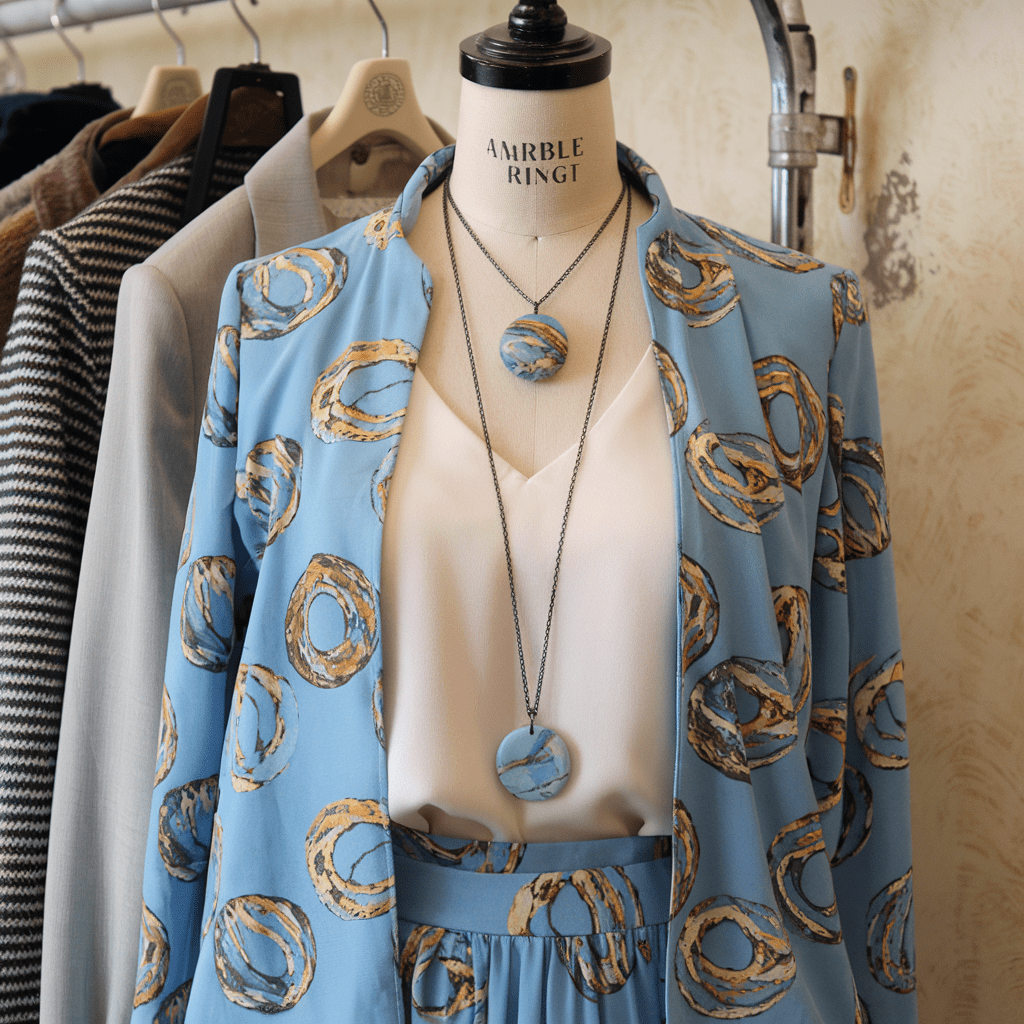
Antique marbling is an art form that has transcended time, captivating enthusiasts with its intricate patterns and vibrant colors. Originating centuries ago, this technique has found a unique niche in the world of fashion, influencing designers and styles across various eras. In this article, we explore the history of antique marbling, its application in fashion, and why it continues to inspire contemporary designers.
The History of Marbling
Marbling is a method of creating colorful patterns by floating paints on a liquid surface and then transferring those designs onto paper or fabric. This practice can be traced back to ancient China, where it was used to decorate textiles. By the 15th century, marbling techniques had spread to Europe, particularly in Italy and France, where artisans refined the craft.
The distinctive swirling patterns created through marbling captured the imagination of artists and craftsmen alike. Over the centuries, marbled papers became popular for bookbinding, stationery, and decorative arts, leading to its resurgence in modern applications, particularly in fashion.
Marbling in Fashion
The resurgence of antique marbling in fashion can be attributed to several factors:
- Unique Aesthetic: Marbled fabrics offer a one-of-a-kind appearance, making garments stand out in a crowded marketplace. Designers are drawn to the organic, flowing patterns that evoke a sense of nature and artistry.
- Sustainability: As the fashion industry increasingly embraces sustainable practices, marbling provides an eco-friendly option. Many contemporary designers use natural dyes and eco-conscious methods to create marbled textiles, aligning with the growing demand for sustainable fashion.
- Cultural Significance: Marbling is steeped in history and tradition, adding depth to modern designs. By incorporating antique marbled fabrics, designers pay homage to the craftsmanship of past generations, creating a bridge between history and contemporary style.
- Versatility: Marbled patterns can be applied to various materials, from silk and cotton to leather and denim. This versatility allows designers to explore innovative silhouettes and styles, making marbling a popular choice for everything from casual wear to haute couture.
Contemporary Designers Embracing Marbling
Several contemporary designers have embraced antique marbling in their collections, showcasing its transformative potential:
- Isabel Marant: Known for her bohemian aesthetic, Isabel Marant often incorporates marbled prints into her designs, adding a playful twist to her signature silhouettes.
- Erdem: This British designer frequently utilizes marbled patterns in his romantic dresses, blending historical references with modern elegance.
- Etro: Celebrated for its vibrant prints, Etro has explored marbling in its collections, fusing traditional techniques with contemporary fashion sensibilities.
Marbling Techniques in Fashion Design
Designers employ various marbling techniques to achieve unique effects:
- Water Marbling: This traditional method involves floating paints on water, creating mesmerizing patterns that are then transferred onto fabric.
- Dyeing Techniques: Some designers use tie-dye or batik techniques to mimic marbled effects, allowing for greater control over color placement and design.
- Digital Printing: Advances in technology have enabled designers to create marbled patterns digitally, allowing for intricate designs that can be easily replicated across collections.
Conclusion
Antique marbling is more than just a decorative technique; it is a celebration of art, history, and craftsmanship. As fashion continues to evolve, the influence of marbling remains strong, inspiring designers to create pieces that are not only beautiful but also meaningful. Whether in the form of a flowing dress or a statement accessory, antique marbling adds a touch of timeless elegance to contemporary fashion, reminding us of the enduring power of artistry in our everyday lives.
 𝓪𝓷𝓽𝓲𝓺𝓾𝓮𝓼𝓶𝓪𝓻𝓫𝓵𝓮𝓻𝓲𝓷𝓰𝓼𝓯𝓪𝓼𝓱𝓲𝓸𝓷
Leave a comment